The Ultimate Guide to Training Your Dog: Tips for a Well-Behaved Companion
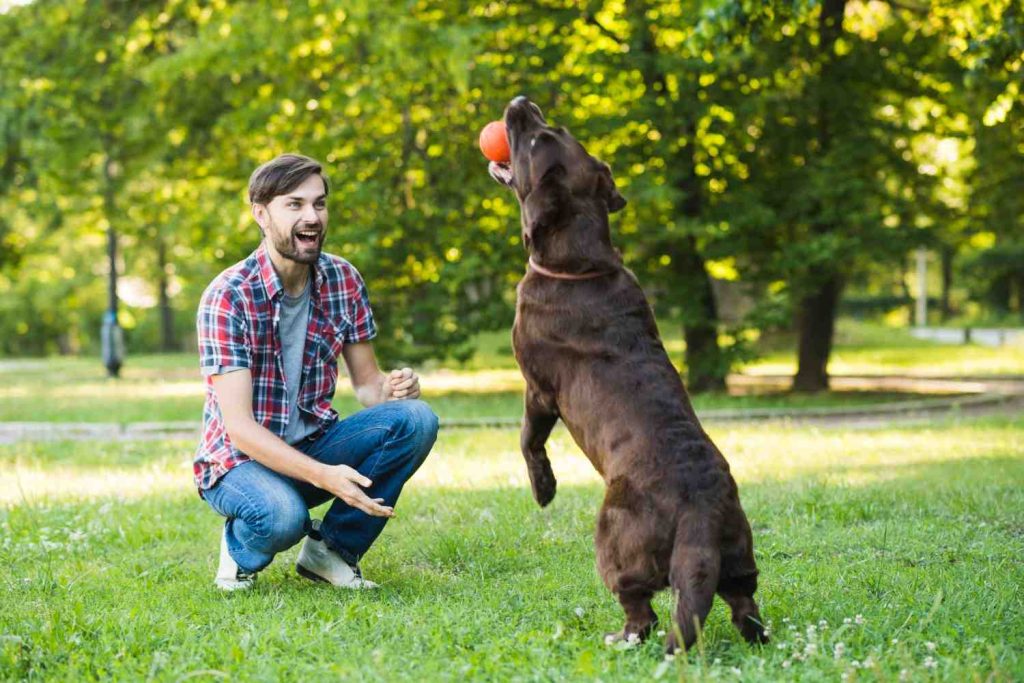
Training your dog is an essential aspect of pet ownership that can strengthen the bond between you and your furry friend. It not only promotes good behavior but also enhances communication and understanding. This comprehensive guide will explore the importance of training, effective training techniques, and common challenges faced during the training process.
The Importance of Dog Training
- Enhances Safety: Proper training helps ensure the safety of your dog and others. Commands like “sit,” “stay,” and “come” can prevent dangerous situations in public places or around other animals.
- Strengthens the Bond: Training is an opportunity for you to connect with your dog and build trust. Positive reinforcement techniques foster a loving relationship based on mutual respect.
- Reduces Behavioral Issues: Dogs that receive consistent training are less likely to develop behavioral problems such as excessive barking, chewing, or aggression. Early training can prevent these issues from becoming ingrained habits.
- Improves Socialization: Training provides opportunities for socialization, exposing your dog to various environments, people, and other animals. A well-socialized dog is often more confident and adaptable.
Effective Training Techniques
- Positive Reinforcement: Rewarding your dog for desired behaviors is one of the most effective training methods. Use treats, praise, or playtime to reinforce good behavior and encourage repetition.
- Consistency is Key: Establishing consistent commands and rules helps your dog understand what is expected. Everyone in the household should use the same commands and techniques to avoid confusion.
- Short and Engaging Sessions: Dogs have short attention spans, so keep training sessions brief (about 5-10 minutes) but frequent. This approach keeps your dog engaged and makes learning enjoyable.
- Patience and Understanding: Every dog learns at their own pace. Be patient and understanding if your dog doesn’t grasp a command right away. Avoid harsh corrections; instead, redirect their focus and try again.
Common Training Challenges
- Distractions: Dogs can easily become distracted by their environment. Start training in a quiet, familiar space and gradually introduce distractions as they learn to respond to commands.
- Boredom: Repeating the same commands can lead to boredom. Incorporate variety into your training routine by introducing new commands, tricks, and games.
- Fear or Anxiety: Some dogs may struggle with fear or anxiety during training. If your dog exhibits signs of stress, take a step back and create a positive, low-pressure environment. Gradually reintroduce training when they feel more comfortable.
- Inconsistent Behavior: If your dog displays inconsistent behavior, revisit your training techniques. Ensure everyone in the household is on the same page regarding commands and rules.
Advanced Training Techniques
- Obedience Classes: Enrolling your dog in obedience classes can provide structured training and socialization opportunities. It also allows you to learn from experienced trainers.
- Agility Training: Agility training involves navigating obstacle courses and can be a fun way to bond with your dog while improving their focus and physical fitness.
- Trick Training: Teaching your dog fun tricks can be a delightful way to enhance their skills and keep them mentally stimulated. Start with simple tricks like “roll over” or “shake hands.”
Conclusion
Training your dog is a vital part of responsible pet ownership that leads to a happier, healthier relationship between you and your furry companion. By employing effective training techniques and remaining patient, you can overcome challenges and foster good behavior in your dog. Remember, a well-trained dog is not only a joy to be around but also a testament to the bond you’ve built together. Start your training journey today and enjoy the rewards of a well-behaved pet!