The Art of Cooking with Seasonal Ingredients: Why You Should Embrace Nature’s Bounty
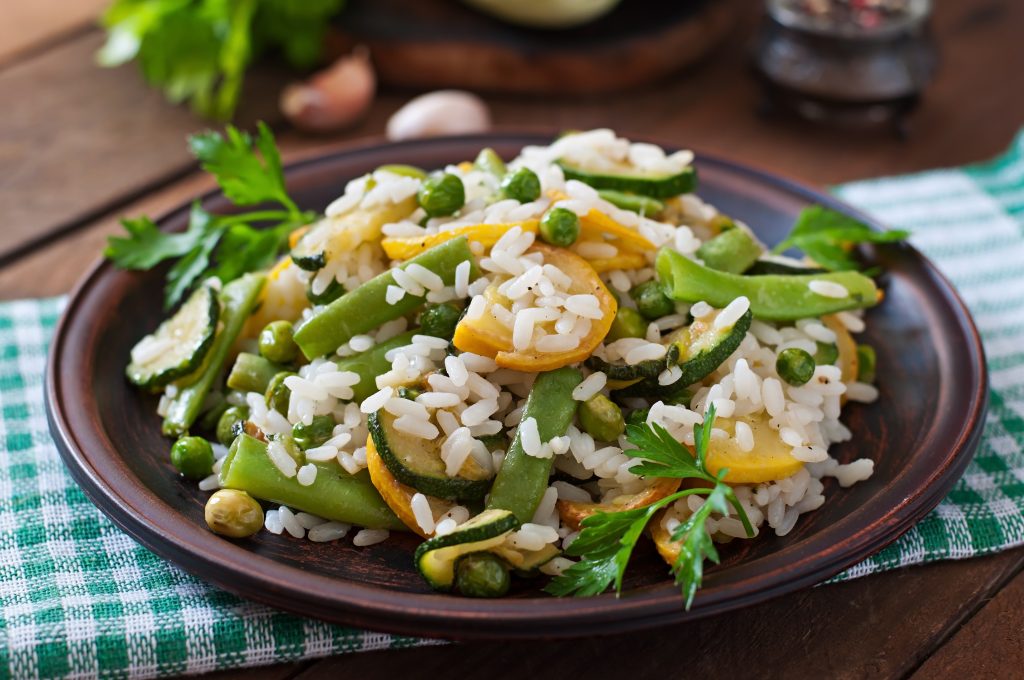
Risotto with asparagus beans, zucchini and green peas
Introduction
As the seasons change, so too does the variety of produce available to us. Cooking with seasonal ingredients not only enhances the flavor of your dishes but also supports local farmers and reduces your carbon footprint. This article will delve into the importance of eating seasonally, provide tips on how to incorporate seasonal ingredients into your cooking, and feature some delicious recipes that highlight the flavors of each season.
The Benefits of Seasonal Cooking
- Enhanced Flavor: Seasonal ingredients are harvested at their peak ripeness, which means they are bursting with flavor. When you cook with ingredients that are in season, your dishes will taste fresher and more vibrant.
- Nutritional Value: Fruits and vegetables that are in season tend to be more nutritious. They have a shorter time between harvest and consumption, which means they retain more of their vitamins and minerals.
- Support Local Farmers: By choosing to cook with seasonal ingredients, you are supporting local agriculture. Farmers’ markets are a great place to find fresh, seasonal produce and to meet the people who grow your food.
- Environmental Impact: Seasonal ingredients typically have a lower carbon footprint. When you buy locally grown produce, you reduce the amount of transportation required to get food to your plate.
How to Incorporate Seasonal Ingredients
- Plan Your Meals: Start by researching what fruits and vegetables are in season in your area. Create a meal plan that revolves around these ingredients.
- Visit Farmers’ Markets: Farmers’ markets are treasure troves of seasonal produce. Not only can you find fresh ingredients, but you can also discover unique varieties that you may not find in your local grocery store.
- Experiment with New Recipes: Don’t be afraid to try new dishes that highlight seasonal ingredients. Search for recipes that focus on what’s currently in season, or get creative and develop your own.
- Preserve for Later: If you come across an abundance of seasonal produce, consider preserving it for later use. Canning, freezing, or drying can help you enjoy seasonal flavors year-round.
Seasonal Recipe Ideas
Spring: Asparagus and Pea Risotto
Ingredients:
- 1 cup Arborio rice
- 1 bunch asparagus, trimmed and cut into bite-sized pieces
- 1 cup fresh peas (or frozen)
- 4 cups vegetable broth
- 1 onion, diced
- 2 cloves garlic, minced
- 1/2 cup Parmesan cheese
- Salt and pepper to taste
Instructions:
- In a saucepan, bring vegetable broth to a simmer.
- In a separate pot, sauté onion and garlic until translucent. Add Arborio rice and toast for a few minutes.
- Gradually add vegetable broth, one ladle at a time, stirring frequently. After about 15 minutes, add asparagus and peas.
- Continue cooking until the rice is creamy and al dente. Stir in Parmesan, salt, and pepper. Serve warm.
Summer: Grilled Vegetable Salad
Ingredients:
- 1 zucchini, sliced
- 1 red bell pepper, sliced
- 1 yellow bell pepper, sliced
- 1 eggplant, sliced
- 1/4 cup olive oil
- 2 tablespoons balsamic vinegar
- Salt and pepper to taste
Instructions:
- Preheat grill to medium-high heat.
- Toss vegetables in olive oil, balsamic vinegar, salt, and pepper.
- Grill until tender and slightly charred. Let cool and serve over mixed greens.
Fall: Pumpkin Soup
Ingredients:
- 1 medium pumpkin, peeled and cubed
- 1 onion, chopped
- 2 cloves garlic, minced
- 4 cups vegetable broth
- 1 teaspoon cinnamon
- Salt and pepper to taste
- 1/2 cup coconut milk (optional)
Instructions:
- In a large pot, sauté onion and garlic until soft. Add pumpkin, vegetable broth, cinnamon, salt, and pepper.
- Simmer until pumpkin is tender. Blend until smooth, adding coconut milk for creaminess. Serve warm.
Winter: Root Vegetable Mash
Ingredients:
- 2 carrots, peeled and chopped
- 2 parsnips, peeled and chopped
- 1 potato, peeled and chopped
- 1/4 cup butter
- Salt and pepper to taste
Instructions:
- Boil vegetables in salted water until tender. Drain.
- Mash with butter, salt, and pepper. Serve as a side dish.
Conclusion
Embracing seasonal ingredients not only enriches your culinary experience but also connects you to the rhythms of nature. By choosing to cook with what’s in season, you enhance the flavor of your meals, support local farmers, and make a positive impact on the environment. So next time you’re in the kitchen, consider what’s in season and let the flavors of nature inspire your cooking.