The Ultimate Guide to Italian Cuisine: A Culinary Journey Through Italy
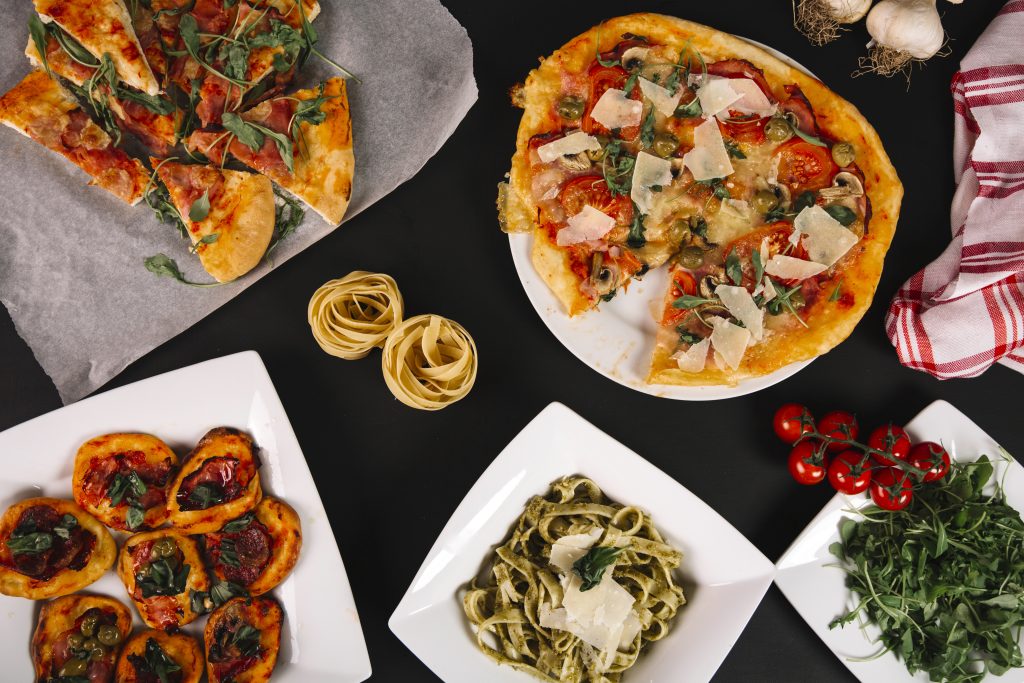
Italian cuisine is more than just a way of eating; it’s a celebration of culture, tradition, and family. Known for its rich flavors, fresh ingredients, and regional diversity, Italian food is loved worldwide. In this blog, we will explore the essence of Italian cuisine, its regional specialties, and the secrets to creating authentic dishes at home.
1. The Heart of Italian Cooking: Fresh Ingredients
At the core of Italian cuisine lies a commitment to fresh, high-quality ingredients. From ripe tomatoes and fragrant basil to creamy mozzarella and robust olive oil, Italians emphasize the importance of using seasonal produce. The idea is to let the natural flavors shine through without overpowering them with complex techniques.
When shopping for ingredients, look for local markets or farms that provide organic produce. Fresh herbs like basil, parsley, and oregano are essential, along with staples such as garlic, onions, and various cheeses. Italian cuisine celebrates simplicity, so less is often more. The best pasta dishes often consist of just a few ingredients, highlighting the quality of each component.
2. Regional Delights: Exploring Italy’s Culinary Landscape
Italy is divided into several regions, each with its own distinct culinary traditions and specialties. Exploring these regional delights is like taking a culinary journey across the country.
Tuscany is known for its hearty dishes featuring legumes, game meats, and rich sauces. The iconic Pici Cacio e Pepe (thick handmade pasta with cheese and pepper) showcases the region’s emphasis on simple yet flavorful ingredients.
Moving south, the Campania region boasts the world-famous Neapolitan pizza, made with a thin, chewy crust topped with fresh tomatoes, mozzarella, and basil. It’s a must-try for anyone visiting Naples. The vibrant coastal town of Amalfi offers delicious seafood dishes, such as spaghetti alle vongole (spaghetti with clams) and linguine alle cozze (linguine with mussels).
In the northern regions, such as Piedmont, you’ll find rich and creamy risottos, hearty stews, and an abundance of truffles. Risotto al Barolo, made with the famous Barolo wine, is a dish that embodies the rich flavors of this region.
3. Mastering Italian Classics at Home
While dining at an Italian restaurant can be a delightful experience, nothing beats the joy of preparing authentic Italian dishes at home. Here are a few classic recipes to get you started:
Pasta Carbonara: This Roman classic is made with spaghetti, eggs, Pecorino Romano cheese, guanciale (cured pork cheek), and black pepper. The key is to mix the eggs and cheese to create a creamy sauce without cooking the eggs.
Margherita Pizza: Create a simple yet delicious pizza dough using flour, water, yeast, and salt. Once the dough has risen, stretch it out and top with San Marzano tomatoes, fresh mozzarella, and basil. Bake in a hot oven until the crust is golden and crispy.
Tiramisu: For dessert, whip up a classic tiramisu using layers of coffee-soaked ladyfingers and a rich mascarpone cheese mixture, dusted with cocoa powder. This decadent dessert is the perfect way to end an Italian meal.
4. Italian Dining Etiquette: A Cultural Experience
Dining in Italy is an experience that goes beyond food; it’s about community and tradition. Italians take pride in their meals, often enjoying long lunches and dinners with family and friends.
When dining out, be prepared for multiple courses: antipasto (appetizers), primo (first course, usually pasta or risotto), secondo (main course, often meat or fish), and dolce (dessert). It’s customary to savor each dish slowly, enjoying the conversation and atmosphere.
When visiting Italy, take the time to immerse yourself in the local food culture. Participate in cooking classes, wine tastings, and market tours to truly understand the essence of Italian cuisine.
Conclusion: A Love Affair with Food
Italian cuisine is a reflection of the country’s rich culture, history, and geography. With its emphasis on fresh ingredients, regional diversity, and communal dining, Italian food brings people together in a celebration of flavors and traditions. Whether you’re exploring Italy or cooking a meal at home, embracing the spirit of Italian cuisine will undoubtedly lead to delicious experiences and cherished memories.